
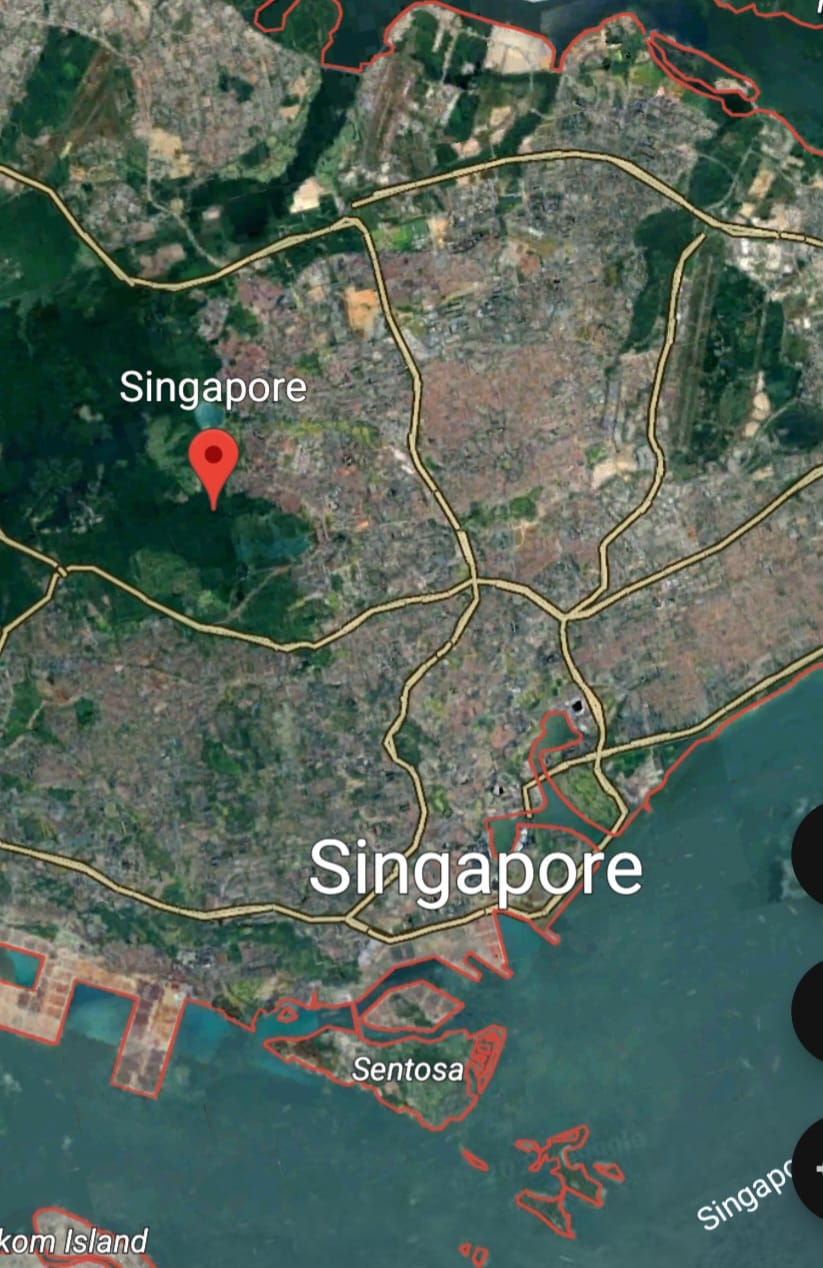
Singapore is one of the world’s most attractive destinations for work, business, study, and living. Known for its safety, efficiency, high quality of life, and strategic location, the city-state maintains a highly managed and selective immigration system. The Immigration & Checkpoints Authority (ICA) oversees border control, visas, permanent residency (PR), and citizenship, while the Ministry of Manpower (MOM) handles work passes.
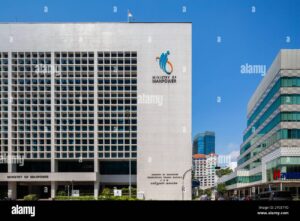
Ministry of Manpower, MOM. Singapore.
1. Entering Singapore as a Visitor (Short-Term Stay)
Most travelers can enter Singapore visa-free for tourism or business:
Visa-Free Entry:
Citizens of many countries (including the US, EU, UK, Australia, Japan, South Korea, and most ASEAN nations) can stay up to 30–90 days without a visa. The exact duration is decided by the ICA officer at the point of entry.
General Requirement for Entering Singapore as a Visitor
- Passport Validity: Must have at least 6 months validity from the date of arrival.
- SG Arrival Card (SGAC): All short-term visitors must submit the digital SG Arrival Card online up to 3 days before arrival.
- Other Requirements: Proof of sufficient funds, onward/return ticket, and accommodation.
Singapore introduced the No-Boarding Directive (NBD) system starting 30 January 2026; Airlines must check passenger eligibility before boarding. ICA can issue directives to prevent boarding for individuals who:
- Are prohibited or undesirable.
- Lack proper documentation (e.g., passport <6 months validity or missing visa).
- Have immigration violations or security concerns.
Non-compliance by airlines can result in heavy fines.

2. Work Immigration: Singapore’s Talent Attraction Strategy
Singapore actively recruits global talent while protecting local employment through a points-based and quota system.
Employment Pass (EP): Professionals, managers, executives, specialists Up to 2–5 years
S Pass: Mid-skilled workers Up to 2–3 years
Personalised Employment Pass (PEP): High-earning professionals 3 years (flexible)
ONE Pass: Top global talent, Multiple years
EntrePass: Innovative entrepreneurs Innovative business plan, funding Varies
- COMPASS Framework (for EP): Evaluates salary, qualifications, diversity, and support for local hires.
- Employers must meet Dependency Ratio Ceilings (DRC) and pay levies for S Pass and Work Permit holders.
- Family members of EP/S Pass holders can apply for Dependant’s Pass or Long-Term Visit Pass.
3. Permanent Residency (PR)
PR offers more stability — you can live and work indefinitely (with Re-Entry Permit) and enjoy many citizen-like benefits, though not full voting rights.
Common Pathways:
- Professionals on EP/S Pass with stable employment and contributions.
- Spouse/Children of Singapore citizens or PRs.
- Global Investor Programme (GIP): For high-net-worth individuals investing at least S$2.5 million.
- Students or others with strong integration records.
Success Factors: Long-term stay (usually 2+ years), high salary, qualifications, family ties, economic contribution, and social integration. Approval rates are competitive and selective.
PRs receive a blue Identity Card and must renew their Re-Entry Permit periodically.
4. Singapore Citizenship
Citizenship is the final step and requires:
- Holding PR status for at least 2 years.
- Being at least 21 years old (or sponsored by parent/spouse).
- Strong commitment to Singapore, good character, and integration.
Note: Singapore does not allow dual citizenship for adults. You must renounce previous nationalities.
5. Recent Trends and Statistics
- Singapore’s population is around 6.1 million (2025), with ~40% non-citizens.
- In 2024, approximately 35,000 PRs and 22,000 new citizens were granted.
- Net migration remains positive but controlled to balance growth with infrastructure and social cohesion.

